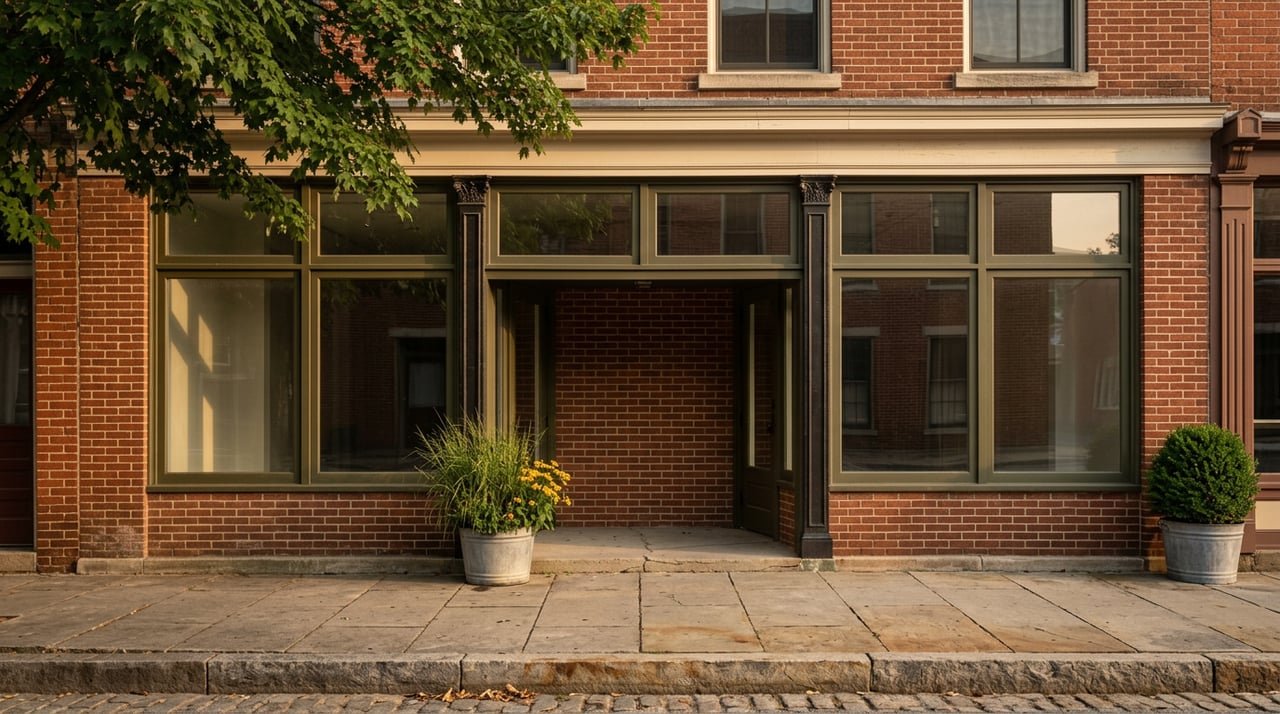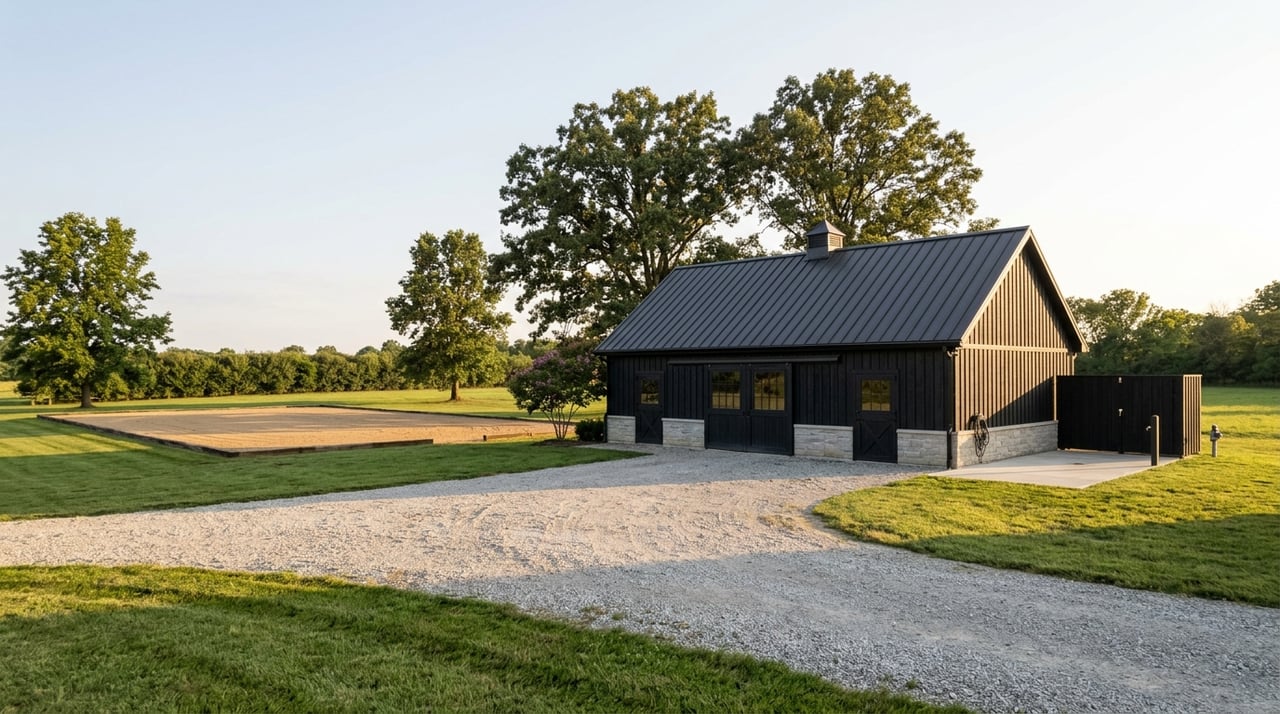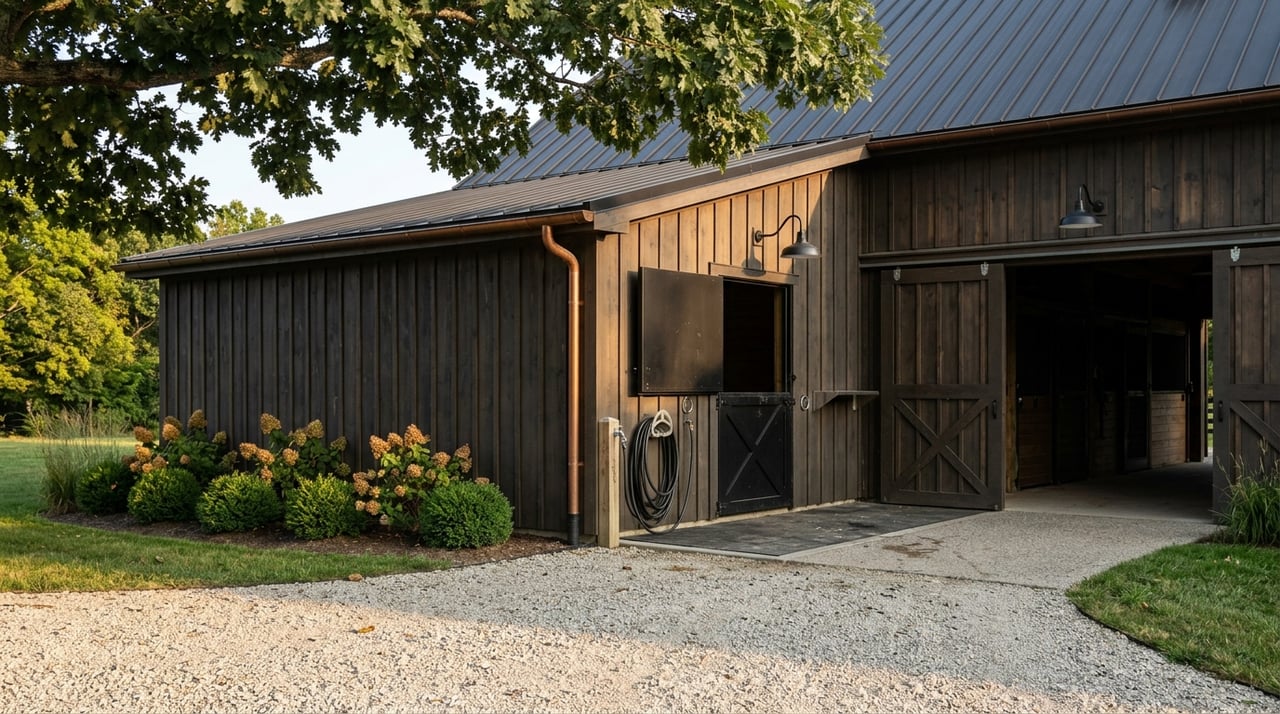
If you have ever watched a buyer step out of the car at a Versailles horse farm, you know the first few minutes matter. People are not just looking at acreage and a pretty barn front. They are quietly asking themselves whether the property will work on a rainy Tuesday, a busy show week, and move-in day. In Woodford County, where agriculture is a major land use and pastureland is everywhere, that operational first impression carries real weight. This guide will walk you through what buyers actually notice when touring Versailles KY horse farms, and what that means if you are getting ready to sell. Let’s dive in.
Why function stands out fast
Versailles sits in the heart of Woodford County’s Bluegrass horse country, an area promoted as the Horse Capital of the World. USDA’s 2022 county profile reported 688 farms and 50,347 acres of pastureland in Woodford County, so buyers here tend to notice farm function right away.
That means your property is rarely judged by the house alone. Buyers often look at turnout, fencing, traffic flow, mud control, and barn setup just as closely as they look at finishes inside the home.
Site access buyers notice first
Before a buyer opens a barn door, they are already reading the layout. The driveway, parking areas, trailer access, and general ease of movement tell them whether the farm feels simple to operate or harder than it needs to be.
University of Kentucky equine facility planning guidance emphasizes how horses, people, vehicles, equipment, water, feed, bedding, and manure move through a property. On a tour, that shows up in very practical ways.
Driveway and trailer flow
Buyers notice whether the entrance feels easy to navigate. They pay attention to whether a truck and trailer can pull in, turn around, and leave without awkward backing or tight corners.
If the approach feels cramped or confusing, it sticks with them. Even a beautiful property can lose momentum if the first operational impression feels clunky.
Barn-to-pasture movement
Once buyers start walking, they notice how naturally the farm works from one area to the next. They often look at whether gates, paddocks, water points, and the barn connect in a way that makes daily chores efficient.
A smooth layout suggests less wasted time and less frustration. A layout with bottlenecks, long awkward walks, or poorly placed gates can make the farm feel harder to manage.
Barn condition sends a message
A barn does not need to be fancy to make a strong impression. It does need to feel safe, functional, and well cared for.
University of Kentucky barn safety guidance highlights features buyers can sense immediately, including aisle width, lighting, ventilation, stall condition, and cleanliness. These details affect both safety and comfort, and buyers tend to pick up on them quickly.
Aisle width and lighting
Barn aisles should feel open and easy to move through. UK guidance recommends aisleways of about 12 to 14 feet wide, which helps create a safer, more workable space for horses and people.
Lighting matters too. A dim barn can feel less inviting and may make buyers wonder what they are missing, while a bright, orderly aisle feels easier to trust.
Cleanliness and air quality
Buyers notice clutter fast. Loose tools, stacked supplies, broken items, and crowded aisles can make the barn feel less safe and less organized.
They also notice stalls. UK notes that dirty, urine-soaked stalls can create ammonia and air-quality issues, so clean stalls do more than look better. They signal consistent care and better day-to-day management.
Fencing and turnout get close scrutiny
In a horse property showing, buyers rarely just glance at the fence lines. They inspect them.
University of Kentucky guidance on facility planning and fencing points to turnout design as a key part of how a farm works. Buyers want to see whether the layout fits the type of horse use they have in mind and whether the setup supports safe, practical movement.
Gates, boards, and fence lines
Broken boards, sagging sections, damaged wire, and sticky latches catch attention right away. These are the kinds of details that can make buyers think about deferred maintenance, even if the rest of the property shows well.
Clean, functional gates and solid fence lines create a different impression. They tell buyers the farm has been kept up and that they are less likely to inherit a long punch list on day one.
Paddock layout and use
Buyers also look beyond the condition of the fence itself. They notice paddock size, how turnout areas connect to the barn, and whether the setup feels practical for the horses they plan to keep.
A layout that matches common daily routines is easier to picture using. That matters because buyers are not just touring your farm. They are mentally moving their own operation into it.
Mud and drainage raise red flags
Few things pull a buyer out of the moment faster than mud around a gate or standing water near the barn. These are the spots people remember because they suggest repeat maintenance, messy routines, and possible drainage issues.
University of Kentucky guidance on managing mud recommends long-range planning that includes rotational grazing, sacrifice areas, and hardened surfaces around high-traffic spots like gates, waterers, and feeders. Buyers tend to focus on these areas because they reveal how the farm performs under pressure.
Heavy-use areas matter most
You do not need every corner of the property to look perfect. But the high-traffic areas need to feel stable and workable.
Barn entrances, water points, feed areas, and gate openings often tell the story. If those spots are deeply rutted or churned up, buyers may assume there are bigger management issues behind the scenes.
Drainage affects confidence
Drainage problems can make a property feel more expensive to own. Even if a buyer loves the setting, recurring wet spots may raise questions about runoff, footing, and future improvement costs.
If a wet area always turns into a mud pit, addressing it before listing can make a meaningful difference. Buyers notice when a farm feels easier to maintain.
The house still shapes the sale
On a horse farm, it is easy to focus so much on the land and facilities that the residence becomes an afterthought. That is a mistake.
The home is part of the overall lifestyle buyers are purchasing. It helps them picture daily life on the property, not just horse care.
Buyers still imagine living there
According to NAR’s 2025 staging research, 83% of buyers’ agents said staging made it easier for buyers to visualize a property as their future home. That matters on equine listings too.
A well-presented home supports the farm story. It helps buyers connect the operational side of the property with the way they actually want to live.
Online presentation matters before the tour
Nearly all buyers use technology during the search process, and NAR’s 2024 generational trends report found that photos are the most useful website feature for nearly nine in 10 buyers age 58 and under. That means many buyers are forming opinions before they ever set foot on the driveway.
For Versailles horse farms, strong photography and clear listing presentation are not extras. They are often what earns the showing in the first place.
Simple prep that buyers feel
The best pre-listing work is often the least dramatic. You do not need to reinvent the farm. You need to remove friction.
That means focusing on the places buyers naturally inspect and the issues that affect day-to-day use. When the property feels easy to walk, drive, and understand, buyers tend to respond better.
Quick wins before listing
Here are a few visible improvements that can help a Versailles horse farm show better:
- Clean and organize barn aisles so they feel safe and easy to move through.
- Repair broken gates, latches, boards, and damaged fencing.
- Improve first-impression areas like driveway edges, barn approaches, fence lines, and gate openings.
- Address recurring mud in heavy-use spots with better drainage or a more durable surface.
- Present the house as part of the farm lifestyle, not as a side note.
These steps matter because they target what buyers already notice. They help the property feel more functional without forcing you into unnecessary projects.
When specialist help makes sense
Not every issue should be handled with a quick patch before listing. Some problems are really system problems, and buyers with horse-farm experience tend to spot that.
When drainage, water diversion, fencing layout, barn airflow, footing, electrical access, or arena and pad design are a concern, a professional review can be worth it. University of Kentucky’s facility planning guidance points directly to these systems as core parts of how a horse property works.
Pasture evaluation support
If pasture quality or layout is part of the concern, there is local expertise available. The University of Kentucky Horse Pasture Evaluation Program has operated since 2005 and provides farm-specific recommendations, including tall fescue analysis and soil-based guidance.
The program has completed 160 evaluations covering more than 30,000 acres in 20 counties. UK also advises owners to start with their county extension agent for soil-sampling help when seeking pasture evaluation.
What this means for Versailles sellers
Horse-farm buyers in Versailles are not just buying scenery. They are buying a working setup, and they tend to notice whether that setup feels smooth, safe, and manageable.
The farms that stand out are usually the ones that feel easiest to operate on a wet day, a busy day, and the first day after closing. If you are preparing to sell, that is the lens worth using.
A buyer-style walkthrough can help. Stand in the driveway, walk the barn aisle, open every gate, check footing near water and feed areas, and look at the house like a home instead of a farm office. If the experience feels simple and cared for, buyers are more likely to feel that too.
If you are thinking about selling a horse property in Versailles or anywhere in Central Kentucky, Sarah Macharg brings the marketing, farm-function perspective, and hands-on guidance to help you present the property clearly and confidently.
FAQs
What do buyers notice first when touring a Versailles KY horse farm?
- Buyers often notice site access, trailer flow, driveway layout, barn approach, and whether the property feels easy to move through from the start.
Why does barn cleanliness matter on a horse-farm showing?
- Clean aisles and stalls suggest better care, safer conditions, and fewer air-quality concerns, which can build buyer confidence quickly.
What fencing issues stand out to horse-farm buyers in Versailles?
- Buyers tend to notice broken boards, damaged fence lines, faulty latches, and gates that do not open or close smoothly.
How important is mud control on a Versailles horse property?
- It is very important because standing water, ruts, and muddy heavy-use areas can signal drainage problems and future maintenance headaches.
Does the house matter as much as the barn on a horse-farm sale?
- Yes. Buyers are purchasing both the farm operation and the lifestyle, so the residence still plays a major role in how they picture living on the property.
When should a Versailles horse-farm seller bring in a specialist?
- Specialist help makes sense when issues involve pasture quality, drainage, water flow, footing, fencing layout, arena design, electrical access, or barn airflow.