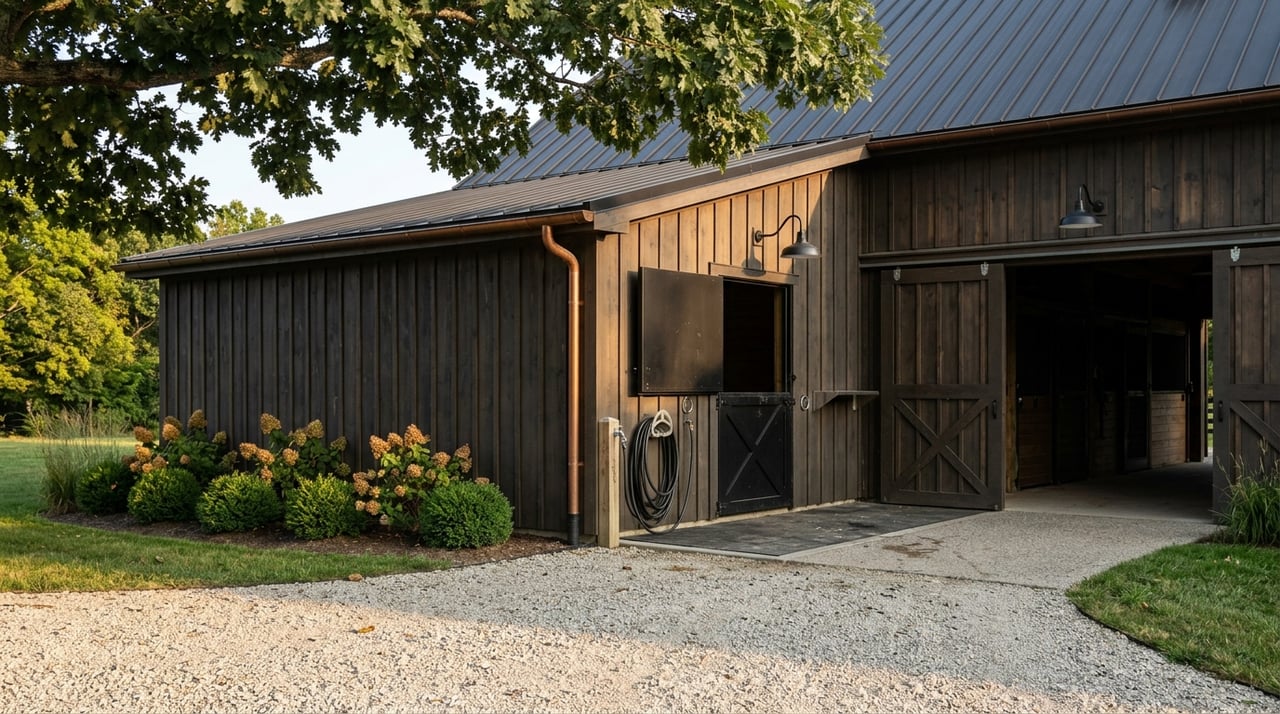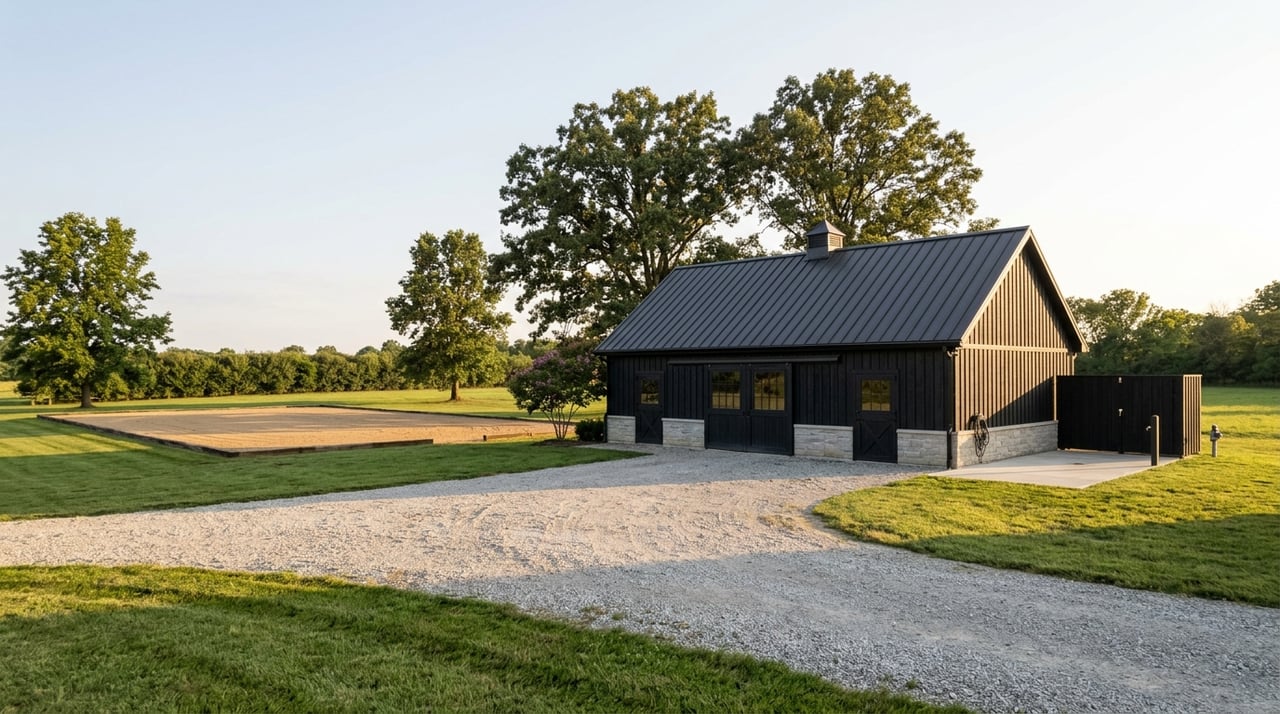
Buying a small horse farm near Versailles can feel exciting right up until the practical questions start piling up. Will the land actually work for your horses, your layout, and your day-to-day routine? If you want to avoid costly surprises, a little planning up front can save you a lot of stress later. Let’s dive in.
Start With the Land, Not the Dream Board
Versailles sits in the heart of Woodford County, where agriculture and the equine industry play a major role in the local landscape. Woodford County reports more than 123,000 acres of agricultural land, which helps explain why horse property is such a central part of the area.
That said, not every parcel works the same way just because it is in horse country. The University of Kentucky notes that soil mapping matters because soils can vary a lot, even on the same farm. For you as a buyer, that means one field may drain well while another holds water or sits on shallower ground.
USDA soil descriptions for Woodford County help explain why parcel-level review matters. Some local soils are shallow and well drained on hillsides and ridges, while others are moderately deep on uplands. In practical terms, slope, drainage, and depth to bedrock can shift quickly across a property, which affects where you may want to place a barn, paddock, or arena.
Verify Zoning Before You Make an Offer
If you are planning a small horse farm, zoning should be one of the first things you confirm. Woodford County’s A-1 agricultural district is intended to preserve farmland and protect agricultural use, and it allows principal uses such as agriculture, riding stables, and single-family dwellings.
The same district also allows certain accessory uses that may matter to horse owners, including private stables, accessory dwellings, parking areas, and even an office for a resident equine trainer. That can be helpful if your long-term plan includes more than just a house and a few paddocks.
Still, you should not assume every idea will fit automatically. The ordinance lists a 30-acre minimum lot area for A-1 and includes yard and setback standards for principal and accessory structures. That makes the parcel shape, existing improvements, and buildable area just as important as the total acreage.
Some uses need more review before they move forward. Woodford County notes that certain agricultural-related uses, including some agritourism-related plans, may require an Agricultural Advisory Review Committee application before conditional-use review by the Board of Adjustments.
Plan Septic, Water, and Access Early
Utilities can make or break a horse property plan, especially on rural land. In Woodford County, the Health Department says about two out of three homes rely on onsite sewage systems, and new systems require a site evaluation and construction permit.
That matters more than many buyers realize. The site drawing for a new septic system must show property lines, structures, wells, ponds, streams, easements, roads, and proposed buildings. The county also notes that grading or topsoil removal can invalidate the initial evaluation, so it is smart to think about house placement, barn pads, driveways, and septic space together.
Water service also needs a parcel-specific review. Kentucky’s drinking water database lists a Versailles Water System serving parts of Woodford County, but you should not assume every rural parcel near Versailles has the same access. Some properties may have public water available, while others may rely on a different setup.
If the property includes a creek, stream crossing, fill area, or floodplain concern, more review may be needed before work begins. Kentucky says development in, along, or across a stream requires a floodplain permit from the Division of Water, and local floodplain permits may also apply.
Design the Farm Around Daily Movement
A good small horse farm is not just about fitting in a barn and some fencing. The University of Kentucky’s equine facility guidance recommends planning around how horses, people, vehicles, equipment, and water move through the property.
That means you should look at the farm as a working system. Trailer access, feed delivery, manure handling, turnout routes, and parking all need to make sense together. When these pieces are added one at a time without a bigger plan, daily chores often get harder than they need to be.
For many farms, the biggest layout issue is drainage. UK pasture guidance points out that gates, fence lines, waterers, and hay feeders take the heaviest traffic, which is where mud tends to develop fastest.
Because of that, your barn and your most heavily used handling areas are usually best placed on the driest ground available. Lower or wetter parts of the property may still be useful, but they are often better suited for lighter seasonal use rather than constant traffic.
Make Room for Sacrifice Areas and Rotation
One of the most common planning mistakes on a small horse property is trying to use every inch as green pasture. In reality, horse farms near Versailles often function better when you plan for a hardened high-traffic area from the start.
UK recommends hardened sacrifice or high-traffic areas near water, shade, or feeding spots. These areas can be built with geotextile fabric, crushed stone, and dense grade aggregate to create drier footing in spots that would otherwise churn into mud.
Rotational grazing also matters on smaller acreage. UK says it works best when a farm can be divided into at least two paddocks, with three or more preferred so grass has enough recovery time.
For rough planning, UK says one mature horse generally needs about 2 to 3 acres of managed pasture. If your property is smaller than that, or if turnout pressure will be heavy, you may need more stall time, tighter grazing management, or a well-designed sacrifice area to protect the ground.
Think Carefully About Arena Placement
If an arena is part of your plan, drainage should lead the conversation. An outdoor arena that looks fine during a dry showing can become a headache if the surface and base were not designed to shed water well.
UK’s arena footing guidance says an outdoor arena should have a crown or another elevated, well-drained surface. A suggested crown slope is 1 to 2 percent, and the sub-base should help move water away from the riding surface.
Footing choice also deserves attention early. The right surface depends on your discipline, your maintenance plan, and how often the arena will be used. No arena surface lasts forever without upkeep, so it helps to think about long-term maintenance before you decide where and how to build.
Build a Pasture Strategy From Day One
Pasture planning should start early, not after closing when the horses are already on site. The Woodford County Extension Office says soil samples for pasture should be taken 3 to 4 inches deep, and using the same season from year to year helps with consistency.
That soil information gives you a much better starting point for liming, fertilizing, or deciding whether renovation is needed. It also helps you avoid guessing, which is rarely the best strategy when you are trying to get a small farm productive quickly.
The University of Kentucky points to common cool-season horse pasture options such as Kentucky bluegrass, orchardgrass, perennial ryegrass, and novel or endophyte-free tall fescue. UK also warns that toxic endophyte-infected tall fescue can be a broodmare issue, so breeding or foaling plans should shape pasture decisions early.
If the pasture needs major improvement, timing matters. UK recommends liming and fertilizing according to soil-test results and notes that renovation is typically timed for late summer or early fall. For buyers, that can affect how soon the farm will be fully ready for regular use.
Your Offer-Time Horse Farm Checklist
Before you move forward on a property near Versailles, it helps to slow down and confirm the basics. A beautiful setting is great, but a workable farm depends on details.
Here are a few smart questions to ask during the offer stage:
- What zoning district is the parcel in?
- Do the house, barn, arena, fence lines, and future plans fit current use rules and setbacks?
- Where is the septic area, and has a site evaluation been completed for the intended building locations?
- Is there public water, a well, or another water source for the property?
- Will water access work without crossing a drainfield or creating long, inefficient hose runs?
- Does the parcel include a creek, drainage swale, or floodplain issue that could trigger permits before grading or stream work?
- Can the pasture be rotated effectively, or will a sacrifice area be needed for wet weather and winter use?
Why a Practical Farm Review Matters
A small horse farm is not just a home purchase. It is a land, layout, and operations decision all at once. If you buy with the right questions in mind, you give yourself a much better chance of ending up with a property that works on day one and improves well over time.
That is especially true if you are buying from out of town or trying to balance immediate horse needs with future improvements. The goal is not just to find pretty land. The goal is to find land that supports how you want to live and how you need the farm to function.
If you are planning a small horse farm near Versailles and want a practical set of eyes on layout, land use, and day-to-day functionality, Sarah Macharg can help you sort through the details and move forward with more confidence.
FAQs
What zoning should you check for a small horse farm near Versailles, KY?
- You should verify the parcel’s exact zoning district, allowed uses, minimum lot requirements, and setback standards before assuming your house, barn, arena, or other improvements will fit.
What septic questions matter for a horse property in Woodford County?
- You should confirm whether the property uses an onsite sewage system, whether a site evaluation has been completed, and how septic placement may affect future house, barn, driveway, and turnout plans.
How much pasture do you need per horse on a small farm near Versailles?
- The University of Kentucky says one mature horse generally needs about 2 to 3 acres of managed pasture, though smaller properties may need sacrifice areas, more stalls, or tighter grazing management.
What is the best layout priority for a small horse farm?
- A strong layout usually starts with daily movement, including how horses, people, vehicles, feed, water, and manure flow through the property, with special attention to drainage and high-traffic areas.
What should you know about pasture planning on Woodford County horse land?
- You should start with soil testing and a parcel-specific review because local soils can vary significantly, which affects drainage, pasture performance, and how different parts of the farm may need to be managed.