If your dream horse life looks more like a few horses, practical land, and a barn that works every day than a grand showplace, Paris, Kentucky deserves a closer look. This is a place where horse culture is not staged for visitors alone. It is part of the daily landscape, the local economy, and the way many people actually live. If you are wondering whether Paris can fit an everyday rider, a small farm owner, or a rural lifestyle buyer, you are in the right place. Let’s dive in.
Why Paris feels like horse country
Paris sits in Bourbon County, about 18 miles northeast of Lexington, and local city and county materials describe the area as a place of horses, history, and hospitality. Bourbon County also notes that it is one of the leading producers of Thoroughbred horses in the world, with more than 50 horse farms. That headline matters, but what matters more for many buyers is what that means on the ground.
This is not horse country in a themed or resort-style sense. It is a working agricultural landscape where horses are part of everyday life. According to the 2022 Kentucky Equine Survey for Bourbon County, the county had 13,000 horses, 500 equine operations, and $870.6 million in equine and equine-related assets.
That same survey gives a more useful picture for regular riders and owners. Along with broodmares and young horses, Bourbon County also included 800 pleasure and trail horses. In plain English, the area is not only for large breeding operations. It also supports people who keep horses for personal use and a more day-to-day riding lifestyle.
What everyday riders should expect
If you are moving to Paris for horses, it helps to set the right expectations. Paris offers a strong horse-centered lifestyle, but it is shaped more by private farms, scheduled access, and organized experiences than by a huge public trail system. That is an important distinction if your ideal setup includes routine riding, horse care, and a practical property that supports your daily flow.
The City of Paris lists public-facing experiences like horseback riding at Moss Landing, Scheffelridge Farm, and Clover Hill Farm, along with horse-farm tours at Claiborne Farm, Gainesway Farm, Runnymede, and Stone Farm on its local attractions page. That mix says a lot about the area. You are surrounded by horses, but access often happens through private-property rules, scheduled bookings, and established farm operations.
That is especially true in the Thoroughbred side of the market. For example, Runnymede Farm is described by Horse Country as the oldest continuously operated Thoroughbred farm in Kentucky, and visits require advance tickets. For newcomers, that is a helpful clue about the local culture. In Paris, horse life is real and active, but it often runs on appointments, planning, and respect for working farms.
Community resources for horse owners
One of the biggest strengths of Paris is that the horse lifestyle is not limited to spectators. There are also practical resources for people who own horses, manage land, or want to stay connected to the local equine community.
A good example is the Bourbon County Extension Office, which offers Agriculture and Natural Resources programming plus a local 4-H Horse Club. The horse club is open to youth ages 9 to 18 and does not require show participation, which makes it a more accessible entry point for families who simply want to be involved.
That practical mindset carries into the broader regional equine network too. A 2025 UK Ag Equine Programs event near Paris focused on topics like arena footing, heavy-use areas, forages, pasture management, and horsemanship, and UK also highlights services such as pasture management, facility optimization, veterinary diagnostic testing, and genetic testing through its equine programs. For buyers looking at horse property, this matters because ownership here can be supported by real education and local expertise, not guesswork alone.
Another community-facing part of the local horse scene is BraveHearts Equine Center, a Paris-based draft-horse rescue and sanctuary identified by Horse Country as the largest of its kind in Kentucky. It cares for more than 100 horses and burros and offers private and custom experiences. That adds another layer to the area’s identity: horse culture here is not just about elite breeding. It also includes hands-on care, rescue work, and community involvement.
What horse properties often look like
If you picture Bourbon County as nothing but massive legacy farms, the numbers tell a more balanced story. The USDA 2022 county profile shows 846 farms across 183,749 acres, with an average farm size of 217 acres. That average sounds large, but the size breakdown is what really helps buyers.
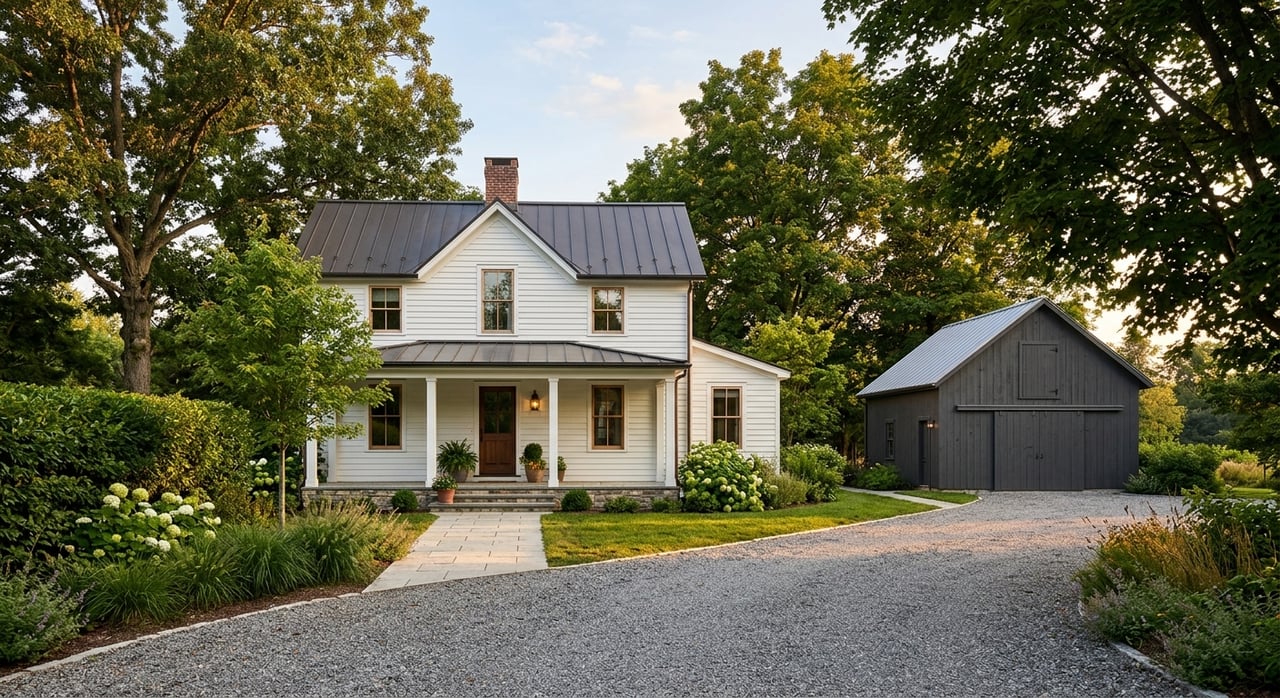
According to the same report, 35% of farms were 10 to 49 acres, 29% were 50 to 179 acres, and 16% were 180 to 499 acres. That means the county supports a wide range of property types, including the kind of smaller acreage many buyers would call a farmette. You do not need to be shopping for a commercial breeding operation to make Paris work.
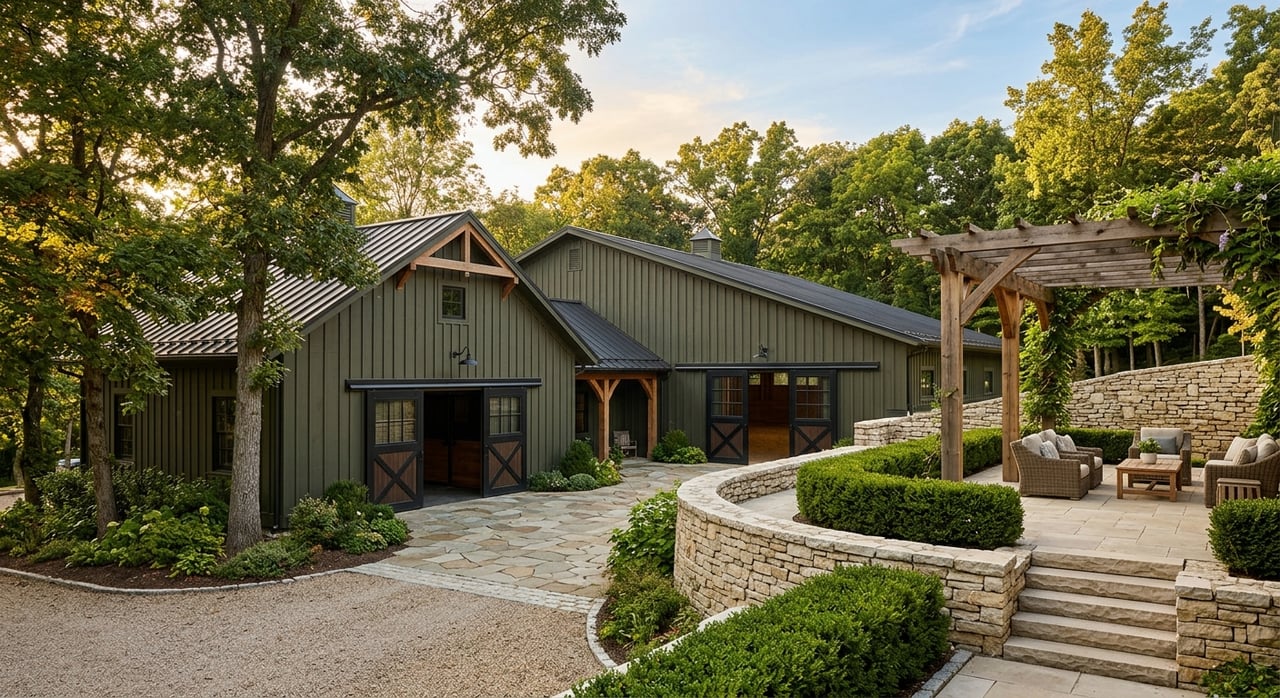
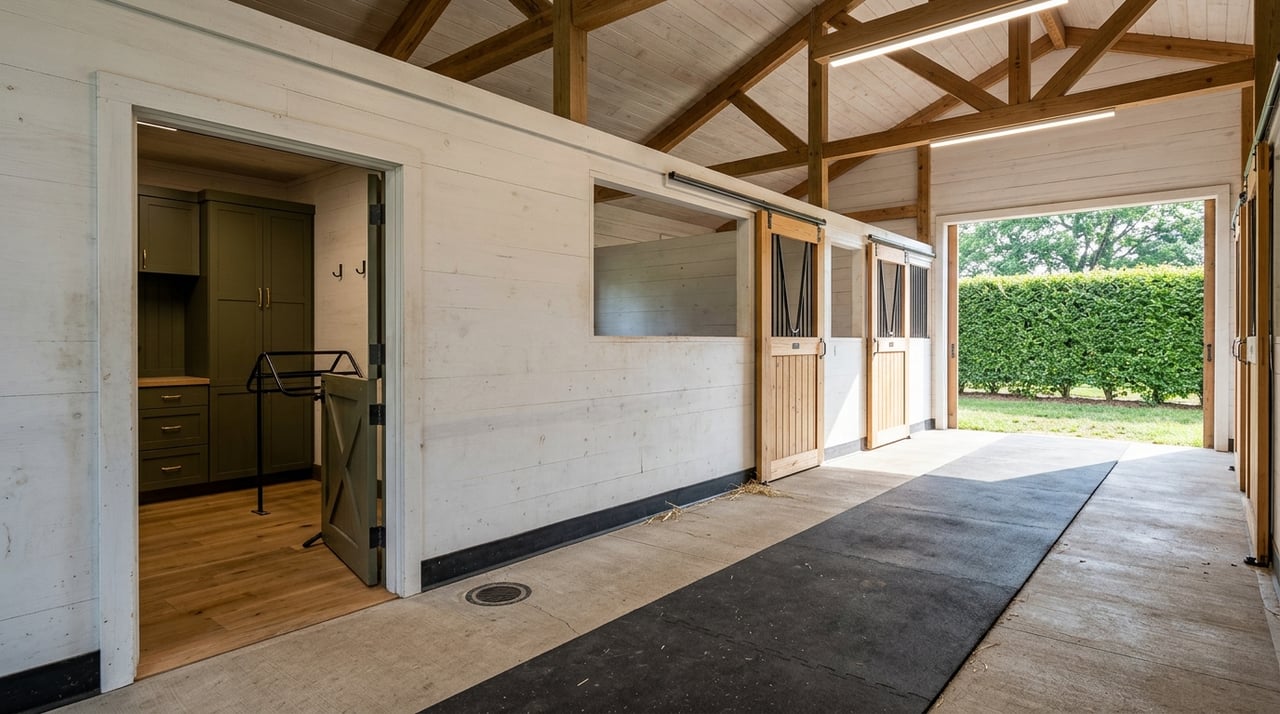
The Kentucky Equine Survey also defines an equine operation broadly. It can include large professional farms, personal-use horse properties, and even crop or cattle farms with horses on site. That is an important point if you are looking for a home with a barn, paddocks, and enough land for a few horses rather than a business-scale setup.
Bourbon County’s agricultural footprint is also huge. The county extension system notes that farms used 183,749 acres, or 99.1% of the county’s land area, in 2022. That helps explain why the area feels so rural and so connected to working land. When you buy here, you are often buying into a much larger farm setting, not just one isolated property.
The lifestyle beyond the barn
Horse country works best when the rest of life works too. Paris has that smaller-town feel many buyers want, while still tying into the wider Central Kentucky equine scene.
Downtown Paris adds character without trying too hard. The city highlights the Bourbon County Horse Walk of Fame and the Paris Downtown Walking Trail on its local attractions page. So while the farms define the landscape, there is still a recognizable main street and local identity beyond the pasture gates.
Paris also benefits from its location near Lexington. Horse Country describes the drive between Paris and Lexington as a scenic route lined with horse farms, and that connection matters for everyday riders. Many people in the Paris area look to Lexington for clinics, events, shopping, and higher-density equine activity.
A major regional anchor is the Kentucky Horse Park. Kentucky Tourism describes it as a 1,200-acre working horse farm with barn tours, horseback riding, youth camps, museums, a daily Parade of Breeds Show, and major events including the Land Rover Kentucky Three-Day Event. Even if you do not plan to spend every weekend there, it gives you access to a much bigger equine world within reach of Paris.
If trail riding is part of your routine, it is also worth knowing that Kentucky offers equestrian-friendly options beyond Bourbon County. Kentucky State Parks horse camping locations include Dale Hollow Lake, Pennyrile Forest, Taylorsville Lake, and Carter Caves. In other words, living in Paris does not limit you to your own fence lines. You can keep your home base in horse country and still haul out for organized riding weekends.
Practical questions to ask before you buy
The romantic side of horse property is easy to picture. The practical side is where good decisions get made. If you are considering Paris or Bourbon County for an everyday riding lifestyle, start with questions that match how you actually want to live.
Here are a few smart ones to ask:
- How many horses do you plan to keep now, and what is your realistic next step in two to five years?
- Does the current layout support daily chores, turnout flow, trailer access, and storage without adding friction?
- Is the land setup better suited for personal use, small-scale boarding, or another intended use?
- What will you need to learn about pasture care, heavy-use areas, and footing before making changes?
- If you are buying acreage, have you looked into tax and classification questions tied to agricultural property?
For tax-related planning, the City of Paris property tax page links to agricultural exemption information. That does not replace legal or tax advice, but it is a useful reminder that buying horse property here involves more than just evaluating the house.
Why Paris works for everyday riders
Paris and Bourbon County make sense for buyers who want horse life to feel authentic, practical, and connected to the land. This is a breeding-heavy region, yes, but it is also a place with smaller-acreage farms, personal-use horse properties, youth programs, agricultural education, and easy access to Lexington’s larger equine network.
That combination is what makes the lifestyle feel livable. You can enjoy the beauty and identity of Bluegrass horse country without needing a headline farm or a giant operation. For many buyers, that is the sweet spot.
If you are thinking about buying a farmette, horse property, or rural home in Central Kentucky, working with someone who understands both real estate and how a property needs to function day to day can save you time and prevent expensive missteps. When you are ready to talk through land, layout, barns, pasture use, or the bigger lifestyle picture, connect with Sarah Macharg.
FAQs
Is Paris, KY only for large horse farms?
- No. Bourbon County has large equine operations, but USDA farm-size data also shows many properties fall into smaller acreage ranges like 10 to 49 acres and 50 to 179 acres, which can fit a farmette or personal-use horse setup.
Does Paris, KY have resources for everyday horse owners?
- Yes. The area includes extension programming, a local 4-H Horse Club, educational equine events, and community-oriented horse organizations in addition to private farm experiences.
Can you find pleasure riding in Bourbon County?
- Yes. The Kentucky Equine Survey for Bourbon County identified 800 pleasure and trail horses, which suggests the local horse scene includes more than breeding and professional operations.
Is Paris, KY close to Lexington horse activities?
- Yes. Paris is about 18 miles northeast of Lexington, and many residents use Lexington for equine events, clinics, shopping, and destinations like the Kentucky Horse Park.
What should buyers consider when shopping for horse property in Paris, KY?
- Focus on how the property functions for your daily routine, including land use, barn flow, turnout, trailer access, pasture management needs, and whether agricultural classification may apply.