Wondering what daily life in Georgetown, Kentucky actually feels like once the moving boxes are gone and real life starts? That is a smart question, because a place can look great on paper and still feel very different when you factor in commute time, errands, weekend plans, and the kind of home setup you want long term. If you are considering a move to Georgetown, this guide will walk you through what everyday routines often look like here, from getting around to outdoor time to housing patterns. Let’s dive in.
Georgetown feels easy to live in
Georgetown is a growing small city with an estimated 40,518 residents and 14,899 households. In day-to-day terms, that often means you get access to practical amenities without the pace or density of a larger urban center. It tends to feel more suburban and car-oriented, especially with its location near I-75 and I-64.
That setup can be a real plus if you want room to spread out, simpler errand runs, and a location that keeps you connected to nearby job centers. Georgetown is not trying to be a dense downtown city experience. It offers a more relaxed rhythm that works well for many buyers looking for a balance of convenience and space.
Getting around Georgetown day to day
Most routines are car-friendly
The average travel time to work in Georgetown is 21.5 minutes. That gives you a helpful snapshot of the pace here. Your workday likely will not start with a long urban transit haul, and many everyday trips can feel pretty manageable.
Because Georgetown sits at the crossroads of major interstates, it is set up well for regional travel too. If your routine includes Lexington, Frankfort, or regular trips around Central Kentucky, that location can make a difference in how easy your week feels.
Local transit is available
Georgetown’s community resources include Bluegrass RIDE, a fare-free transit service throughout Georgetown, along with Bluegrass Ultra-Transit as another transportation option. That adds flexibility for some local trips and services. For many residents, though, daily life still reads as mostly car-based, especially for commuting beyond Georgetown.
If you are comparing Georgetown to a larger city, the lifestyle difference is pretty clear. Here, your routine is more likely to center around drive times, parking, and easy access than around packed transit schedules.
Toyota shapes part of the local rhythm
Toyota Kentucky is a major part of Georgetown’s daily pattern. The Georgetown plant is identified by Toyota as the company’s largest vehicle manufacturing plant in the world, with the capacity to produce 550,000 vehicles and more than 600,000 engines annually.
For residents who work there, the commute can be very short because the plant is in Georgetown itself. Even if you do not work for Toyota, major local employers often influence traffic flow, business hours, and the overall weekday pace of a city. In Georgetown, that local employment base is part of the bigger picture.
Food and coffee fit real life
Dining is broad, not limited
Georgetown’s dining scene supports normal life well. Official tourism materials note more than 80 restaurants, with options that include barbecue, burgers, Southern cooking, diner-style meals, breweries, farm-to-table dining, and more.
That matters because daily life is not built on special occasions alone. You want a place where you can grab a simple weeknight dinner, meet a friend for coffee, or find a low-key weekend spot without overthinking it. Georgetown checks that box with a mix of practical and local-feeling options.
Downtown can be part of your routine
Examples listed in Georgetown’s dining guide include Fava’s, Chinkapin Brewing, Country Boy Brewing, Central Purrk Cat Cafe, and The Porch. That mix gives you a sense of the city’s personality. It is not overly polished or overly niche. It feels usable.
For a lot of buyers, that is the sweet spot. You want places you will actually visit on a Tuesday, not just once every six months.
Coffee options are convenient
Coffee in Georgetown includes both local stops and drive-thru convenience. City Roastery describes itself as a micro coffee bean roaster in Georgetown, while Central Purrk Cat Cafe serves coffee and tea. You also have drive-thru options like BIGGBY Coffee and Dutch Bros.
That combination supports a few different lifestyles. Maybe you want a quick stop on the way to work, or maybe you want a more local place to slow down for a bit. Georgetown gives you both.
Outdoor access is part of everyday life
Parks and trails are a real strength
One of Georgetown’s strongest everyday features is its park and trail access. The city says San Gabriel Park is the largest park in town at 180 acres, and the official trails map includes the San Gabriel River Trail, San Gabriel Park Loop, and Randy Morrow Trail, along with access points connected to Blue Hole Park, Chautauqua Park, Booty’s Road Park, and Rivery Park.
The listed trail hours are 5 a.m. to 10 p.m., which makes these spaces useful for real schedules. If you like morning walks, evening runs, casual bike rides, or just getting outside after work, Georgetown offers options that fit into normal life.
Recreation goes beyond neighborhood parks
The area also offers wider outdoor variety. Local tourism materials highlight Veterans Wildlife Management Area, a 2,500-acre public hunting and fishing area near I-75, along with the free and open 1.8-mile Toyota Biodiversity Trail.
Nearby recreation also includes the Suffoletta Family Aquatic Center and Yuko-en on the Elkhorn. So if your ideal routine includes everything from a short in-town walk to a bigger weekend outing, Georgetown gives you range without needing a major production.
Housing feels suburban with rural influence
Most homes still fit a suburban pattern
Georgetown’s housing market leans toward ownership and detached homes. Census QuickFacts reports a 62.3% owner-occupied housing rate, a median owner value of $265,400, a median monthly mortgage cost of $1,542, and a median gross rent of $1,255.
Those numbers help frame what day-to-day life often looks like here. Many residents are living in owned homes, and the housing stock still aligns more with a suburban setup than a high-density one. If you are looking for a neighborhood feel with more traditional home layouts, Georgetown may line up well.
Newer housing is a big part of the market
Georgetown’s housing needs assessment says 51% of the city’s housing units were built since 2000. It also notes that single-family homes made up 76% of Georgetown’s housing market in 2022, while multifamily apartments with 20 or more units were the fastest-growing segment.
That tells you two useful things. First, Georgetown still reads primarily as a single-family home market. Second, it is growing and adding more housing types, which can create more options depending on your budget, timeline, and goals.
Neighborhood stability stands out
Another useful data point is that 81.4% of residents were living in the same house one year later. While every move is personal, that figure suggests a fairly stable neighborhood base.
For buyers, stability can matter. It often supports a more settled day-to-day feel, where routines, nearby services, and neighborhood patterns are more established.
Georgetown can match different lifestyles
In-town living offers convenience
If you want to stay close to shopping, dining, parks, and local services, in-town Georgetown offers a practical setup. You are more likely to have easier access to daily errands, coffee stops, and community amenities, all while keeping a suburban feel.
This can be especially appealing if you want straightforward maintenance, a manageable commute, or a home base that keeps your week running smoothly. For many buyers, convenience is not flashy, but it matters a lot once you are actually living there.
The county keeps a rural edge
At the same time, Georgetown sits in a county that actively preserves rural land and working acreage. The local comprehensive plan outlines more dense uses inside the urban service boundary and less dense uses outside it. Agricultural land may support one dwelling per five acres, along with cluster subdivisions and agriculture-related businesses.
Scott County’s Purchase of Development Rights program also reports that five farms totaling 611 acres are permanently protected by conservation easements. That means even if you live in a suburban part of Georgetown, you are still connected to a county landscape that values open land and agricultural use.
Land and lifestyle buyers may appreciate the mix
This suburban-plus-rural combination is one of Georgetown’s more distinctive qualities. You can look at homes in town, newer subdivisions, or properties with more acreage and a different pace, depending on what kind of life you want to build.
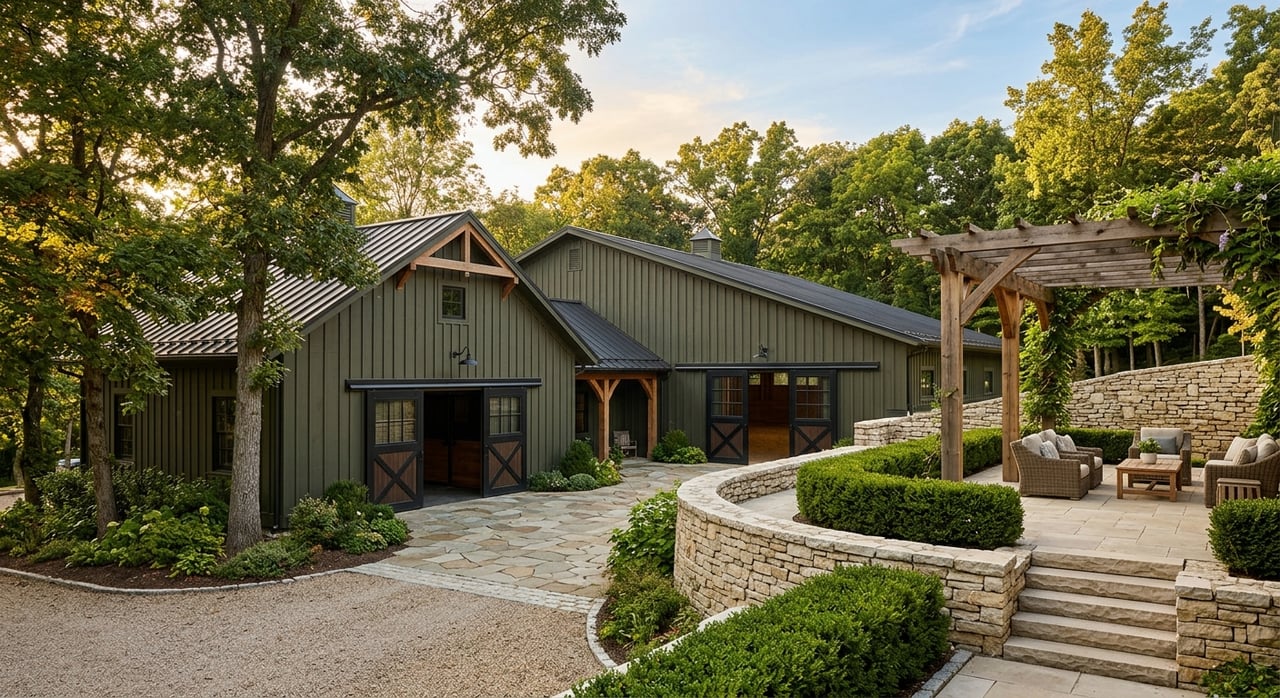
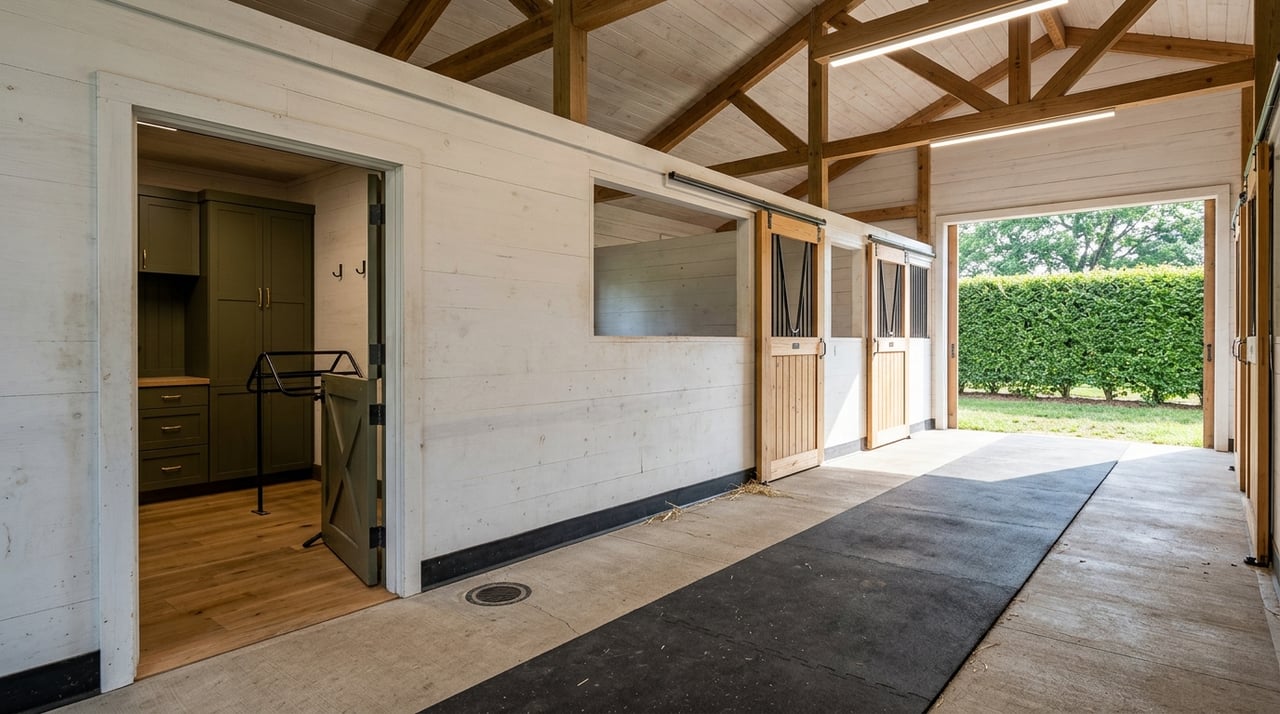
That matters if you are not just buying square footage. You may be buying a shorter commute, room for hobbies, land for future plans, or a setup that supports horses, a shop, or simply more breathing room.
What daily life often feels like
If you zoom out, Georgetown day-to-day life often looks like this: a manageable commute, a car-friendly routine, practical local dining, convenient coffee stops, and easy access to parks and trails. Housing trends point to a largely suburban market, but the broader county still keeps a strong rural identity.
For some people, that balance is exactly the draw. Georgetown offers space to live a little wider while still keeping daily life functional. You are not giving up convenience, but you may gain a pace that feels easier to sustain.
If you are trying to decide whether Georgetown fits your lifestyle, the best question is not just “Can I find a house there?” It is “Will my normal Tuesday feel good there?” In many cases, that is where Georgetown stands out.
If you want help matching your day-to-day goals with the right part of Georgetown or Scott County, Sarah Macharg can help you think through not just the property, but the lifestyle and land decisions that come with it.
FAQs
What is everyday commuting like in Georgetown, KY?
- Everyday commuting in Georgetown is generally manageable, with a mean travel time to work of 21.5 minutes, and many routines remain car-based, especially for trips to Lexington or Frankfort.
What kinds of restaurants are available in Georgetown, KY?
- Georgetown’s official dining materials show a broad mix of more than 80 restaurants, including barbecue, burgers, Southern cooking, diner-style meals, breweries, farm-to-table options, and coffee spots.
Are there parks and trails for daily use in Georgetown, KY?
- Yes. Georgetown has a strong park and trail network, including San Gabriel Park, the San Gabriel River Trail, the San Gabriel Park Loop, and other connected recreation areas with trail hours from 5 a.m. to 10 p.m.
Is Georgetown, KY more suburban or rural?
- Georgetown is mostly suburban in its housing pattern, with a strong share of single-family homes, but it also sits within Scott County, where rural land and agricultural acreage remain an important part of the landscape.
What is the housing mix like in Georgetown, KY?
- Georgetown’s housing market is led by single-family homes, which made up 76% of the market in 2022, though multifamily apartment growth has increased and newer housing built since 2000 makes up a large share of the city’s housing stock.